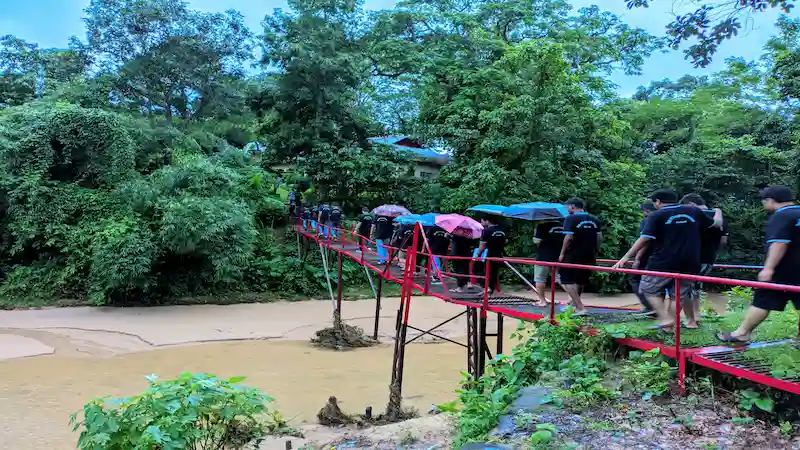
Srimangal Travel Guide: Tea Gardens, Lawachara Forest & Local Experiences
Srimangal (also spelled Sreemangal) is a small town in Moulvibazar District in northeastern Bangladesh, best known for its tea estates, forest landscapes and relaxed pace. It makes a rewarding stop for travellers who want to experience a greener, quieter side of the country after visiting busy cities.
The area is often called Bangladesh’s tea capital. Tea gardens, rubber plantations, lemon orchards and villages surround the town, while Lawachara National Park offers a chance to walk beneath tropical forest canopy and look for wildlife. Srimangal is also an easy base for exploring other parts of Moulvibazar District and continuing to nearby Sylhet.
Best Things to Do in Srimangal
1. Walk in Lawachara National Park
Lawachara National Park is the area’s signature nature attraction. Its tropical evergreen and semi-evergreen forest supports a range of plants, birds and mammals, including the endangered western hoolock gibbon. Wildlife sightings are never guaranteed: visitors may hear calls or spot movement in the canopy without seeing an animal clearly.
Go with an authorised local guide where available, follow marked paths and keep noise low. Wear shoes with a good grip, carry drinking water and use insect repellent. Do not feed, chase or call wildlife, and never leave litter behind. Trail access, entry charges and guide arrangements can change, so check locally before setting out.
If you plan to spend time outdoors, read our practical Bangladesh Travel Health Guide and Bangladesh Travel Safety Guide.
2. See the tea gardens
Tea estates are the landscape most closely associated with Srimangal. The rolling rows of tea bushes are particularly photogenic in soft morning or late-afternoon light. Some estate roads and viewpoints may be accessible to visitors, but tea gardens are working agricultural properties, not all-purpose public parks.
Ask before entering an estate, walking through planted areas or taking photographs of workers. Respect signs and any restricted areas. If you would like to learn more about tea production, ask a local guide or accommodation host to recommend an estate or tea-related stop that is open to visitors on your travel dates.
3. Try Srimangal’s famous layered tea
Srimangal is widely associated with seven-layer tea, a colourful local speciality served in some tea stalls. The drink is known for its distinct-looking layers; recipes and presentation vary by vendor, and it is more of a local tasting experience than a guaranteed standardised recipe.
Try it at a well-known stall in town, and ask about the ingredients if you have allergies or dietary restrictions. You can also sample ordinary local milk tea and buy packaged tea from reputable shops to take home.
4. Explore the countryside at a relaxed pace
Beyond the main attractions, Srimangal is well suited to unhurried travel. Depending on local access and weather, you can explore rural roads, tea-growing areas, village markets and nearby plantations by hired vehicle or bicycle. Confirm your route before leaving town, as some roads are narrow and not every plantation lane is suitable for cycling or independent walking.
5. Visit nearby attractions selectively
Srimangal is a useful base for exploring the wider Moulvibazar area. Attractions and access conditions vary, so avoid trying to fit too many distant stops into one day. Ask your hotel or a local guide about current road conditions, travel time and whether a site is open before paying for transport.
How Long to Stay
- One day: Focus on Lawachara National Park and a tea-garden visit, with time for layered tea in town. Start early and confirm transport before heading out.
- Two days: A more comfortable option. Spend one day around Lawachara and the tea gardens, then use the second for countryside stops and a slower look around town.
- Three days: Best for travellers who prefer a relaxed pace, want flexibility for rain, or plan to explore additional places in Moulvibazar District.
If you are travelling onward to Sylhet, compare the options in our Sylhet Travel Guide and plan your route using the Bangladesh Transport Guide.
Best Time to Visit Srimangal
November to February is generally a comfortable period for walking and sightseeing, with cooler, often drier weather. This is also a popular travel season, so accommodation and transport can be busier around holidays.
The monsoon months bring heavier rain and lush greenery, but wet trails, muddy ground and sudden downpours can make forest walks less comfortable. Conditions vary from year to year, so check the forecast before you travel and keep plans flexible.
For a month-by-month overview, see Best Time to Visit Bangladesh.
How to Get to Srimangal
By train
Train travel is a practical option from Dhaka and other connected cities. Srimangal is served by the railway line linking Dhaka with Sylhet, but the trains operating, journey times, seat classes and weekly off-days may change. Check the official Bangladesh Railway website and its linked e-ticketing service before booking. Buy tickets through official channels rather than social-media sellers.
Journey time from Dhaka is typically around four to five hours, but use the schedule for your specific travel date rather than relying on a fixed estimate. If you want an air-conditioned seat, check the available classes during booking; availability differs by train.
By road
Buses and private vehicles connect Srimangal with Dhaka, Sylhet and other towns in the region. Travel time depends on traffic, roadworks and weather. Confirm the departure point, arrival point, luggage policy and expected duration directly with the operator before buying a ticket.
From Sylhet
Srimangal and Sylhet can be combined in one itinerary. Depending on your schedule, travel by train or road may be possible; check current departure times and journey details before committing to same-day connections.
For broader advice on trains, buses, private cars and local transport, see Transport in Bangladesh.
Getting Around Srimangal
Within town, auto-rickshaws and other local vehicles are useful for short trips. For Lawachara National Park and tea-garden stops, agree on the destination, waiting time and total fare with your driver before leaving. If you plan to visit several places in one day, arranging a return journey in advance can save time.
Bicycles can be enjoyable on suitable, quieter roads, but check the route and road conditions first. Avoid cycling after dark on unfamiliar roads, and do not assume that every tea-estate road is open to public access.
Where to Stay in Srimangal
Accommodation ranges from simple guesthouses in town to resorts and eco-style stays around the countryside. Staying in town can make it easier to find food and local transport; a property outside town may offer a quieter setting but could require advance arrangements for meals and rides.
Before booking, check the exact location, recent guest reviews, cancellation terms, whether meals are available, and how you will reach the property after arrival. During peak season and public holidays, reserve ahead if you have a specific place in mind.
Food and Practical Tips
- Carry cash: Do not assume every small shop, tea stall or local driver accepts cards or mobile payments. Read Money and Currency in Bangladesh before travelling.
- Bring rain protection: A compact umbrella or waterproof jacket is useful even when the forecast looks clear.
- Dress for forest walks: Lightweight, breathable clothing and closed shoes help with uneven or damp paths.
- Use insect precautions: Apply repellent and cover exposed skin, especially around forested areas. More advice is available in our Travel Health Guide.
- Respect local communities: Ask permission before photographing people, workers or private property.
- Keep expectations realistic: The forest is a natural habitat, not a wildlife zoo. Sightings depend on luck, season and quiet observation.
- Check conditions locally: Park access, entry fees, guide availability, road conditions and estate access may change. Confirm details shortly before your visit.
International visitors should also review the Bangladesh Visa Guide and Cultural Etiquette Guide before travelling.
Suggested Srimangal Itinerary
Morning: Leave early for Lawachara National Park, allowing time for the entry process and a guided walk.
Midday: Have lunch in or near Srimangal town. Keep drinking water with you, especially after a humid forest walk.
Afternoon: Visit a tea-garden area that welcomes visitors, then return to town for layered tea or tea shopping before dusk.
This is a flexible outline, not a promise that every stop will be open. Check the weather, park access and transport arrangements locally, and avoid squeezing in distant attractions if you have limited time.
Frequently Asked Questions
Is Srimangal worth visiting?
Yes, especially if you enjoy tea landscapes, forest walks, birdlife and slower-paced destinations. It is less suited to travellers expecting major city attractions or guaranteed wildlife sightings.
Can I see hoolock gibbons in Lawachara National Park?
Lawachara is known as habitat for the western hoolock gibbon, but sightings are not guaranteed. Visit quietly with a knowledgeable guide and do not approach or feed wildlife.
Is one day enough for Srimangal?
One full day can cover the main highlights, particularly Lawachara National Park and a tea-garden stop. Two days gives you more flexibility and avoids rushing.
Can I visit Srimangal from Dhaka by train?
Yes, Srimangal is on the Dhaka–Sylhet rail corridor. Train services, schedules, fares and seat availability change, so confirm your date on the official Bangladesh Railway channels before travelling.
What should I pack for Srimangal?
Bring comfortable walking shoes, lightweight clothes, insect repellent, drinking water, rain protection and a small amount of cash. For forest walks, choose footwear suitable for damp or uneven paths.