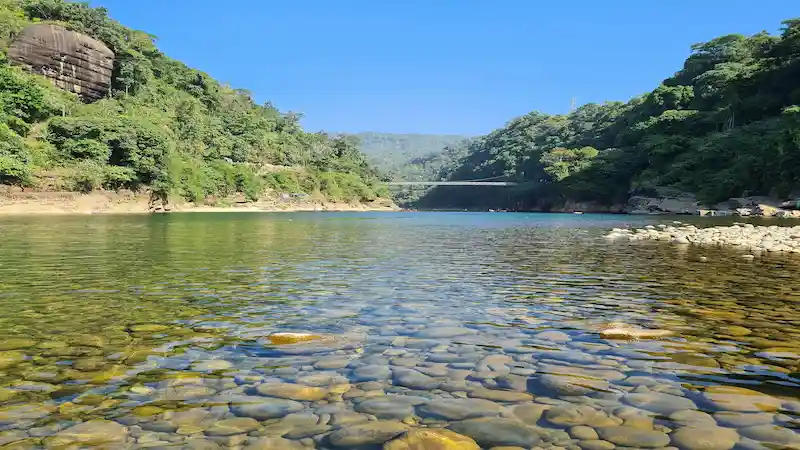
Sylhet, in northeastern Bangladesh, combines tea estates, hill-fed rivers, wetlands, and one of the country’s most important Sufi shrines. Many of its best-known sights sit close to the Meghalaya border in India, which gives the region its blue-green rivers and its stone-bedded streams. Most visitors base themselves in Sylhet city and make day trips, so the main planning decisions are the season, the order of the trips, and how to arrange boats and transport.
Find a Hotel in Sylhet
Sylhet city is the practical base for most itineraries, since Ratargul, Bisnakandi, Lalakhal, and Jaflong are all day trips from it. Compare locations, guest reviews, and cancellation terms before booking. A hotel near the railway station or the main city sights saves time on early starts. Resorts closer to the tea estates and the Tamabil road suit travellers who want a quieter stay, but check how you will reach them after dark.
When to Visit Sylhet
October to March is the most comfortable period for general sightseeing, with lower rainfall, firmer paths, and easier road and boat access. December and January are cooler and popular with domestic visitors, so book hotels and cars early around holidays and weekends.
The monsoon (roughly June to October) changes the region significantly. Ratargul is at its most striking when the swamp is flooded and boats move between half-submerged trees, which is why many visitors time it for the high-water months. The trade-off is heavier rain, swollen rivers, and a real risk of flooding. Severe floods have disrupted Sylhet, including road and rail links, in recent years. In the drier months, water levels in the swamp and the border streams drop, and boat routes can become shorter or restricted.
Check the forecast and local conditions before committing to a date, and keep your schedule flexible. See our Best Time to Visit Bangladesh guide for seasonal planning across the country.
Best Places to Visit in Sylhet
Hazrat Shah Jalal Shrine
The shrine of Hazrat Shah Jalal, the 14th-century Sufi saint associated with the spread of Islam in the region, is in the city and is one of the most visited religious sites in Bangladesh. It is an active place of worship. Dress modestly, covering shoulders and legs, and women should carry a scarf for the head. Remove shoes at the entrance, keep your voice low, and ask before photographing people at prayer. Our Cultural Etiquette Guide explains what to expect.
The shrine of Hazrat Shah Paran, on the outskirts of the city, is another important pilgrimage site and can be combined with a half-day of city sightseeing.
Sylhet City Landmarks
Keane Bridge over the Surma River, Chandni Ghat, Ali Amjad’s Clock, and Khadimnagar National Park are among the other places that can be covered in a half-day in and around the city. They are useful for the first afternoon, or for a day when rain makes the outlying sights impractical.
Tea Estates Around Sylhet
Tea is a defining part of the Sylhet landscape. Malnicherra and Lakkatura are two of the best-known estates close to the city, and several others, including Khadim and Tarapur, can be reached with a short ride. These are working estates, so access conditions vary. Stay on paths, do not pick leaves, ask before photographing workers, and respect any signs or instructions at gates. Early morning and late afternoon give the best light and the most comfortable temperatures.
For a longer tea-country trip, read our Srimangal Travel Guide.
Ratargul Swamp Forest
Ratargul, in Gowainghat Upazila about 16 km from Sylhet city, is widely described as Bangladesh’s only freshwater swamp forest. Small wooden boats take visitors along channels through the trees, and the experience depends heavily on water level and the time of day. Early in the day is usually quieter and better for birds.
Foreign visitors normally pay higher entry and boat fees than Bangladeshi nationals, and the amounts can change, so confirm current costs at the forest office before paying. Use boats that carry life jackets, keep your group within the recommended boat capacity, and do not leave litter. The forest is under pressure from visitor numbers, encroachment, and pollution, so avoid single-use plastics and keep noise to a minimum.
Bisnakandi and Sada Pathor
Bisnakandi (also written Bichanakandi), roughly 25 km from the city, is known for clear streams running over stone beds below the Khasi hills, with views towards Meghalaya. Sada Pathor, nearby, is a similar landscape. Water level and weather determine how the area looks and whether boat access is practical.
Lalakhal
Lalakhal is a river channel in Kanaighat Upazila, known for blue-green water framed by tea-covered hills. It is usually seen by boat, and the surrounding area is humid and insect-heavy, so bring repellent. Boats are commonly arranged at the Sharighat landing, and a local boatman who knows the channels is worth having.
Jaflong
Jaflong lies at the foot of the Khasi hills on the Piyain River, about 55 to 60 km from Sylhet city. It is known for stone-bedded streams, views across the Indian border, and nearby tea gardens. It is also a heavily visited domestic destination, and weekends and holidays can be crowded. Quarrying has affected parts of the surrounding area, so the best viewpoints and boat trips are those organised through local operators at the main landing points.
The Tamabil border crossing is nearby. Treat the border as a restricted area, follow instructions from the Border Guard Bangladesh (BGB), and never cross a marked boundary line, even by boat or on foot.
How to Get to Sylhet
By train
Bangladesh Railway runs several intercity services between Dhaka and Sylhet, including the Parabat, Jayantika, Kalni, and Upaban Express trains. Trains depart from Dhaka’s Kamalapur Railway Station, and some stop at Biman Bandar (the airport station). Seat classes, operating days, and timings change, and services can be suspended during floods, so confirm details on the official Bangladesh Railway website and its e-ticketing service before you travel. Book early during peak season and festival weeks.
By air
Osmani International Airport (ZYL) in Sylhet has domestic services from Dhaka. Airlines and schedules vary by date and season, so check directly with carriers before finalising your plan. Allow time for the road transfer from the airport to the city, especially in the rainy months.
If you are arriving from abroad and connecting to a domestic flight or train, read our Dhaka Airport Arrival Guide first.
By bus or private car
Intercity buses and private cars run between Dhaka and Sylhet. The road distance is roughly 240 km, but journey time depends on traffic, road works, and the season. A hired car with a driver gives flexibility for stops, although it is not guaranteed to be faster than the train.
For a wider overview of transport options, read our Transport in Bangladesh guide.
Getting around Sylhet
Within the city, CNG auto-rickshaws and taxis are the usual options. For day trips to Ratargul, Bisnakandi, Lalakhal, and Jaflong, many visitors hire a car with a driver or share a CNG for the day. Agree the fare, the route, and the waiting time before departure, and settle boat prices at the landing point before you board. Public buses run to Jaflong and are the cheapest option, but they are less convenient for combining several stops.
Safety in Sylhet
- Wear a life jacket on every boat, including small wooden boats, and do not overload them.
- Treat rivers and streams with caution. Currents can be strong after rain, and stones are slippery. Swim only where local people confirm it is safe, and never alone.
- Avoid travelling to the border areas in heavy rain or flood conditions, and follow instructions from police and BGB personnel.
- Carry your passport or a clear copy, since border-area roads may have checkpoints.
- Keep to marked paths in tea estates and forest areas, and use insect repellent, particularly at Lalakhal and Ratargul.
- Check road and train conditions during the monsoon, as floods can cut routes at short notice.
For general precautions and emergency contacts, read our Bangladesh Travel Safety Guide. For vaccinations, water safety, and insect protection, see Bangladesh Travel Health.
Food, Money and Practical Tips
- Local food: Sylhet is known for its distinctive regional cooking, including seven-colour tea (a layered tea drink, usually associated with nearby Srimangal), shatkora-flavoured dishes, and a wide range of fish dishes. Choose busy restaurants and ask about ingredients if you have allergies.
- Cash: Carry Bangladeshi taka for boats, entrance fees, and small purchases. Cards are unlikely to be accepted at landing points or small stalls. See our Money and Currency Guide.
- Connectivity: Mobile signal can be patchy near the border and in hill areas. Download maps before leaving the city and review our SIM Cards and eSIMs Guide.
- What to pack: Light, quick-drying clothing, a rain jacket, sturdy sandals or shoes with grip, sun protection, insect repellent, and a waterproof bag for phones and cameras.
- Respect for local communities: Parts of the region are home to Khasi and other communities. Ask permission before taking photographs of people or homes.
Suggested Three-Day Plan
Day 1: Arrive in Sylhet, visit the Shah Jalal Shrine and nearby city landmarks, then spend the late afternoon at a tea estate close to the city.
Day 2: Leave early for Ratargul and take a boat through the swamp forest in the morning. Continue towards Jaflong in the afternoon, and plan the return before dark.
Day 3: Spend the morning at Lalakhal and Bisnakandi, which lie in the same general direction as Jaflong, or continue by train to Srimangal and the tea country.
The exact order depends on water levels, weather, and boat availability. Allow slack in the schedule, particularly in the monsoon.
Plan the Rest of Your Bangladesh Trip
Sylhet fits easily into a wider trip that starts in Dhaka and continues to other regions. These guides can help you connect the pieces:
- Dhaka Travel Guide
- All Bangladesh destinations
- Plan your trip to Bangladesh
- Cultural Etiquette & Dress Code
- Transport & Train Booking Guide
Before departure, check current train schedules, weather, river conditions, and local restrictions. Official notices and on-the-ground instructions should take priority over older travel information.